




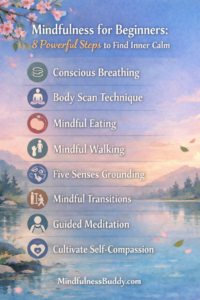

Staying focused is challenging in today’s fast-paced, distraction-heavy world, but learning the right techniques can transform productivity. Concentrating enhances efficiency, boosts satisfaction, reduces stress, and leads to greater achievements. Here are seven proven strategies to help you stay focused, elevate productivity, and guide you toward success.
Table of Contents
Toggle1. Set Clear and Specific Goals
One of the most important steps regarding How to Stay Focused Techniques is setting clear and specific goals. Specific goals provide a clear direction, giving your brain a target to work toward, which reduces the risk of distraction. Instead of vague objectives like “be more productive,” set measurable goals, such as “complete the project proposal by Wednesday.”
- Break down tasks: Dividing large projects into smaller, achievable tasks creates a roadmap, making the process feel manageable.
- Set deadlines: Deadlines create urgency, which improves focus. Try using a task management tool to schedule deadlines.
Research shows that specific goals and deadlines enhance productivity by providing a structured approach to work.
2. Prioritize Tasks with the Eisenhower Matrix
How to Stay Focused Techniques often emphasize prioritization, which helps avoid burnout and prevents your attention from scattering across multiple tasks. The Eisenhower Matrix is an effective prioritization tool, dividing tasks into four categories:
- Urgent and important: Address these first.
- Important but not urgent: Schedule time for these tasks.
- Urgent but not important: Delegate when possible.
- Not urgent and not important: Limit or eliminate these distractions.
This technique lets you focus on tasks that genuinely contribute to your long-term success while filtering out unnecessary activities.
3. Minimize Distractions
Minimizing distractions is essential in any list of How to Stay Focused Techniques. A few steps can help create an environment conducive to concentration:
- Use technology wisely: Enable “Do Not Disturb” mode, silence notifications, and use apps blocking distracting websites.
- Create a designated workspace: Find a quiet area dedicated to focus-based activities to help condition your mind to stay focused.
- Establish routines: Create a daily routine with regular work hours, breaks, and task-specific periods.
By managing your environment, you gain more control over what takes your attention, making it easier to stay focused.
4. Practice Mindfulness and Meditation
Mindfulness and meditation are highly effective How to Stay Focused Techniques. These practices train the mind to be present and improve attention span over time. Studies show that meditation increases gray matter in the brain, which enhances learning, memory, and emotional regulation—all essential for maintaining focus.
- Start small: For just five minutes a day, focus on your breathing and gently bring your mind back whenever it wanders.
- Incorporate deep breathing: When feeling overwhelmed, try deep breathing exercises. They reduce stress and improve concentration by calming the nervous system.
Practicing mindfulness builds resilience against distractions and enhances your ability to focus on the present moment.
5. Implement the Pomodoro Technique
The Pomodoro Technique is another powerful addition to How to Stay Focused Techniques. Developed by Francesco Cirillo, this time-management method boosts productivity by breaking work into focused intervals, usually 25 minutes long, followed by a five-minute break. After four “Pomodoros,” take a longer break of 15–30 minutes.
- Set a timer: Use a timer or a Pomodoro app to stay on track with this technique.
- Take breaks: During breaks, step away from your desk, stretch, or hydrate to avoid burnout.
This approach creates a sense of urgency, helping you stay engaged and focused on the task at hand. The technique is particularly effective for managing time-intensive or repetitive tasks.
6. Practice Active Listening and Visualization
Active listening and visualization are key How to Stay Focused Techniques that enhance comprehension and help stay engaged. For instance, visualize the outcome of your work, such as completing a presentation or reaching a project milestone. When you see the outcome clearly in your mind, it reinforces your motivation to stay focused.
- Visualize daily: Start your day by visualizing a successful day ahead, picturing yourself completing tasks efficiently.
- Listen actively: Pay attention to instructions or information without mentally wandering. This habit trains the brain to maintain focus in real-time situations.
Incorporating these habits keeps your mind connected to the tasks, making distractions less appealing.
7. Take Regular Breaks and Exercise
Though it may seem counterintuitive, taking breaks and engaging in physical activity are critical components of How to Stay Focused Techniques. Physical exercise enhances blood flow to the brain, boosting cognitive performance, while breaks prevent mental fatigue, allowing for sustained focus over extended periods.
- Schedule short breaks: Step away from your work at regular intervals. Try taking a 5–10 minute break every hour to recharge.
- Incorporate movement: Exercise, even a short walk, can rejuvenate the mind. Physical activity promotes endorphins, which reduce stress and increase mental alertness.
Incorporating breaks and exercise into your day ensures you maintain a steady focus without overworking your brain.
Practicing these How to Stay Focused Techniques can improve concentration, productivity, and clarity in any endeavor. With consistent application, these strategies transform focus from a fleeting concept to a reliable skill that enhances all areas of life.
Reference
Brown, B., & Jones, A. (2023). Mindfulness and cognitive performance:How to Stay Focused Techniques . Journal of Cognitive Psychology, 25(4), 238-245.